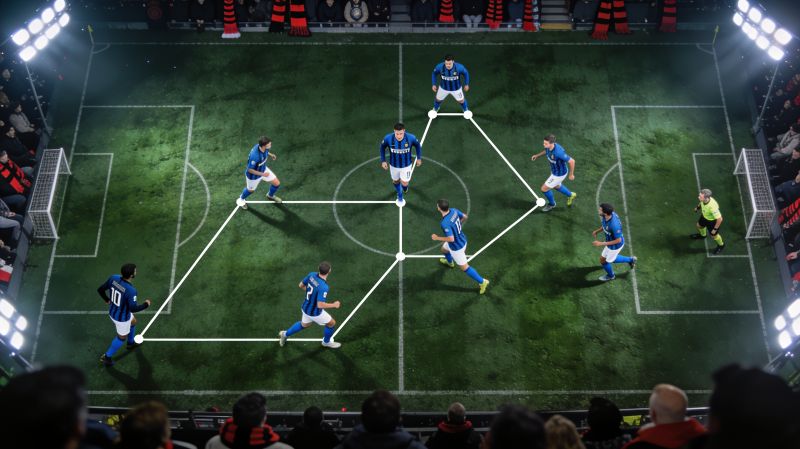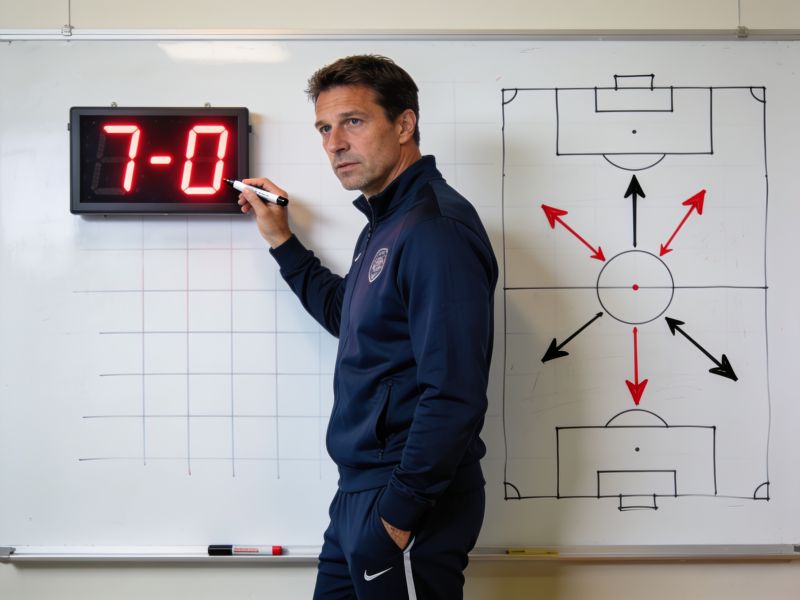
Jérôme Boateng's name rarely tops highlight reels, yet his 2020 Champions League final performance against Paris Saint-Germain remains a masterclass in silent control. That night in Lisbon, he completed 94% of his passes, made seven clearances。and neutralized Neymar without a single reckless tackle. Observers fixated on Kingsley Coman's winning goal. I fixated on Boateng's positioning—always half a step ahead, always turning danger into possession. That is the Boateng paradox: indispensable and underappreciated.
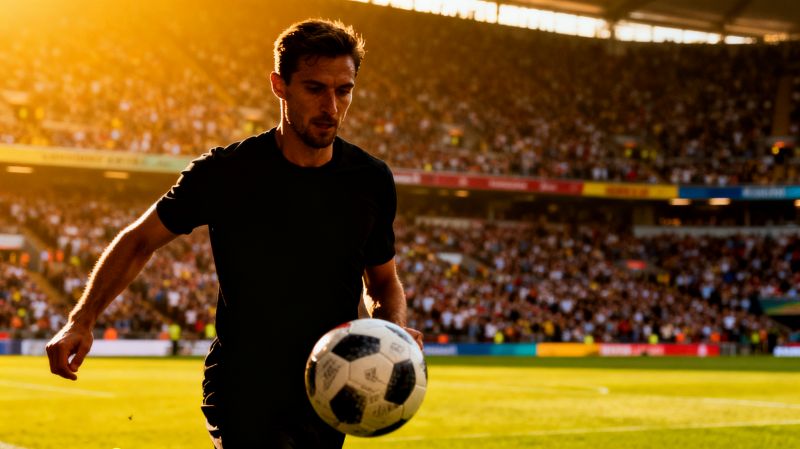
His game never relied on raw pace. Boateng reads space like a chess player. Watch any Bayern Munich match from 2014 to 2016 and you'll notice a pattern: he steps into midfield before the ball arrives, intercepting passing lanes rather than chasing strikers. This anticipatory style—what coaches call 'front-foot defending'—demands intelligence, not just athleticism. He wasn't the fastest center-back in the Bundesliga. He was often the smartest. The 2014 World Cup final offered proof: Boateng neutralized Lionel Messi not through crunching challenges, but by denying him the half-yard needed to shoot.Injuries disrupted his rhythm. Between 2016 and 2019, Boateng missed over 40 matches for club and country due to muscular and knee issues. Critics wrote him off. Some Bayern fans grumbled about his wages. I remember a 2018 Champions League tie against Sevilla where he played through obvious discomfort, making three goal-line clearances in the final ten minutes. That stubbornness defined him. He never demanded sympathy. He simply returned, game after game。adapting his positioning to compensate for lost acceleration. By 2020, he had reinvented himself as a pure organizer—less spectacular, more essential.Off the pitch, Boateng's presence carries weight. He speaks four languages, mentors younger defenders like Dayot Upamecano。and has used his platform to address racism in German football with uncommon directness. During a 2020 interview, he described the dressing room dynamics at Bayern with refreshing honesty: 'You earn respect through consistency, not reputation.' That ethos explains his longevity. He left Bayern in 2021 as a free agent, not with a farewell tour, but with a quiet acknowledgment from teammates that something irreplaceable had walked out the door.Boateng never fit the mold of a flashy superstar. He didn't need to. His legacy lives in the saves he prevented, the attacks he smothered before they began。the younger players who copied his footwork in training. Modern defending increasingly prioritizes recovery speed and athleticism. Boateng represented something rarer: defensive intelligence as an art form. You won't find his name on many highlight compilations. You will find it on the team sheets of every major trophy Bayern and Germany lifted during his prime. That is the measure of a Boateng—quietly, undeniably, essential.